
Article Summary
- Keeping pet ashes at home is a valid, lasting choice, and it is one you are allowed to take your time with.
- Cremated remains are mostly mineral, so a properly stored urn is safe to keep in your house.
- The container matters. A temporary tin with cracks can rust over time, while a sealed inner bag helps guard against moisture and spills.
- Placement matters too. A stable spot away from heat, water, and heavy foot traffic protects the urn and the ashes inside it.
- If you feel rushed, pause. Some families scatter part of the ashes and keep the rest, but scattering cannot be undone.
- Our family at Midlands Pet Care is glad to talk through pet cremation, burial, and urn or memorial guidance.
If you have ever carried a small, unexpectedly heavy box home and then stood in your own hallway with no idea where to set it down, you are in familiar company. Keeping pet ashes at home is one of the most common choices families make after a private cremation, and there is no deadline for making that choice feel settled. We are a family-owned pet crematorium and cemetery in Lexington, and we have watched many grieving people worry that they are somehow handling this part wrong. You are not. What follows is practical, plain guidance on storing and protecting your pet’s remains, plus the questions we hear most often from families across the Midlands.
None of this is meant to talk you out of keeping your pet close. It is meant to help you do it in a way that holds up over years, not just over the first difficult week.
Why Keeping Pet Ashes at Home Brings So Much Comfort
For many people, ashes give grief a physical place to land. There is something steadying about a small container on a shelf you pass every morning, and about the quiet routine of saying good morning to a pet you still love. Some families find the idea of their pet resting somewhere else, alone, harder than the idea of keeping them nearby. There is no rule that says one is healthier than the other. Both are common, and both can be sincere.
You may also have heard that keeping ashes in the house is considered bad luck. Cultural and family beliefs about this vary widely, and we have never met two households with identical traditions. Some families have a relative who is uneasy about the urn being in a shared room, and that is worth talking through honestly before anything gets moved. The ashes themselves are not hazardous. Cremated remains are mostly mineral, transformed by high heat, which is why so many families feel comfortable bringing them home. For a wider look at how different people answer the bad luck question, a short discussion of cultural beliefs about pet ashes in the house is a gentle place to start.
Pet Urn Safety: Choosing a Container That Protects the Ashes
Pet urn safety is less about danger to your household and more about protecting the ashes from the small accidents that happen in any home. Owners in online support groups often describe the temporary tin from a cremation provider as having little nooks and cracks in it and worry that it could rust over time. That is a fair concern. A tin is designed to get your pet’s remains home safely, not necessarily to sit on a shelf for the next thirty years.
When you are ready to move the ashes into something more permanent, or to check that the container you already have is doing its job, these are the details worth looking at:
- Lid fit. The lid should seat firmly and stay put if the urn is nudged, rather than lifting at one corner.
- Material. Wood, metal, ceramic, glass, and stone each behave differently in humidity and sunlight. Choose one that suits the room, not just the photograph.
- The inner bag. Many families keep the ashes inside the sealed plastic bag from the crematory and place that bag inside the urn. The bag is a second layer of protection against moisture and spills.
- Stability. A flat, non-slip base or a soft pad keeps the urn from sliding or scratching the surface underneath it.
- Size. The bag should sit inside without being pinched, folded sharply, or crammed.
- Keepsake options. If several family members want a share of the ashes, small keepsake containers let each person hold a portion while the rest stays in one place.
Two practical notes we share often. First, handle the bag over a soft surface such as a towel on a table, not over a tile floor. Second, if you are transferring ashes yourself, do it somewhere calm with the door closed and the pets out of the room. Also worth checking: guidance on keeping dog ashes at home safely covers comfort and container questions in more depth.
Where to Keep the Urn: Pet Cremation, Home Placement, and Daily Life
After a pet cremation, home placement is the decision most families revisit more than once. The instinct is often to put the urn somewhere prominent, which is lovely, but prominent and safe are not always the same shelf. A spot you see daily will feel meaningful. A spot in the middle of a busy walkway will eventually get bumped.
- Choose a shelf or surface that is stable and out of the direct line of household traffic.
- Keep the urn out of direct sunlight and away from heat sources that dry out wood and warp lids.
- Avoid rooms with heavy moisture, such as bathrooms and steamy kitchens, because damp air is hard on metal and on the ashes themselves.
- Move the urn above floor level if you have cats, large dogs, or a Roomba-style vacuum that likes to bump furniture.
- Write down where the ashes are and tell one other person, so nothing is misplaced during a move or a household emergency.
- If you relocate, pack the urn yourself, label the box clearly, and carry it with you rather than loading it into the moving truck.
What Can Go Wrong When Ashes Are Not Stored Carefully
We bring this up gently, because a few small precautions prevent most of the regrets families describe to us later. A cracked tin in a humid room can rust and stain what is inside. A bag that was never sealed properly can let fine ash escape into a drawer or a box. An urn on a wobbly shelf can fall during a spring cleaning, and an unlabeled container can be quietly lost in a garage move.
The missed opportunities are quieter than the accidents. Families who store the ashes loose in a closet sometimes find they never created a place to remember their pet at all, and years pass without a moment of reflection. Others scatter everything in the first raw week and later wish they had kept a portion for a sibling, a child, or a future garden. Being deliberate now protects both the ashes and the memory. None of that requires spending money today. It requires a container that closes, a spot that is stable, and a little honesty about what you want this to look like in five years.
Ideas for Honoring Your Pet While Keeping the Ashes Protected
Keeping the ashes at home does not have to be the only thing you do. Many families combine a few of these approaches, and a roundup of memorial options for cremated pet ashes covers the range in more detail.
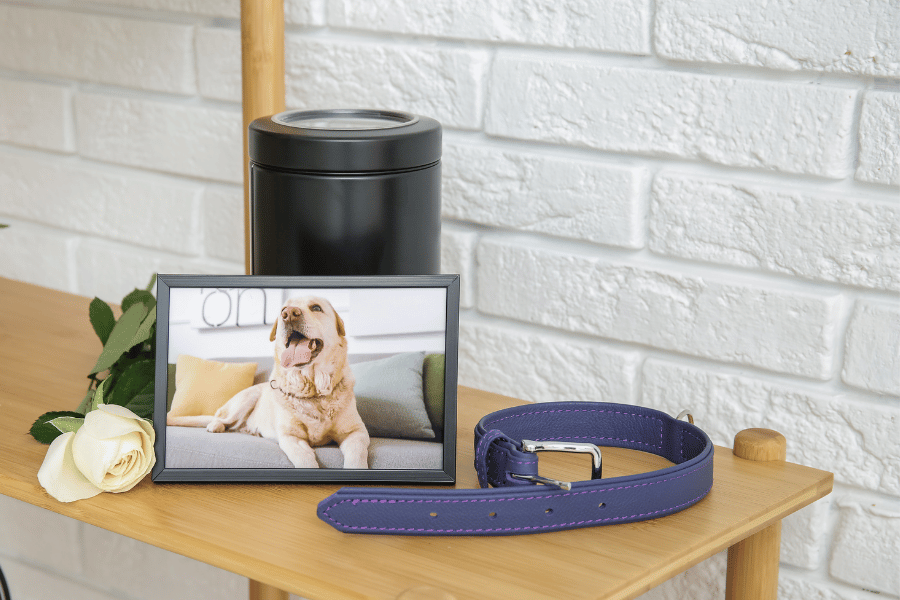
- Keep them in the home in an urn that suits your space, with a small framed photo nearby.
- Scatter a portion at a place your pet loved, keeping the remainder at home.
- Plant a tree memorial or use a bio urn that becomes part of a growing plant.
- Hold a water burial or a private ceremony on land you have permission to use.
- Bury the ashes, if that fits your family, after checking any local rules that apply where you live.
- Grow a bonsai or houseplant in soil that holds a small portion of the ashes.
- Create wearable remembrance, such as a commemorative tattoo, a memorial diamond, or a piece of keepsake jewelry.
One warning we repeat to every family: pet owners sharing how they handled ashes keep returning to the same point. Scattering cannot be reversed, so do not make that decision on your hardest day. Scatter some and keep the rest if you are unsure.
You Do Not Have to Decide Today
There is a quiet pressure after a loss to finish the paperwork, choose the urn, and figure out the memorial all at once. You can set the ashes on a stable shelf in the container they came in and leave them there for months, or years, while you decide what feels right. As a reflection on keeping pet ashes at home permanently points out, waiting is a valid choice, not indecision. Grief moves at its own pace, and the ashes will stay.
How Midlands Pet Care Can Help
Our family has served Lexington and the surrounding Midlands area since 1995, and we still answer the phone the same way: as neighbors who have been through this ourselves. We provide private cremation options, burial and cemetery services, and compassionate end-of-life aftercare, with after-hours and by-appointment availability when timing is out of your control. We are also glad to talk through urn and memorial guidance so you can choose a container and a place in your home that genuinely fit your family.
If you are comparing options or simply want a calm voice on the other end of the line, contact Midlands Pet Care. We will walk you through the choices, answer your questions, and help you care for your pet’s remains with the same dignity we would want for our own.
Frequently Asked Questions
Is it safe to keep pet ashes in my house?
Yes. Cremated remains are mostly mineral, transformed by high heat, and they are not a hazard to people or pets in your home. The real risks are to the ashes themselves, such as moisture, rust, or an urn falling from a shelf. A container with a firm lid and a stable placement covers most of that.
Is it bad luck to keep ashes in the house?
Beliefs about this differ from family to family and culture to culture, and there is no single answer. Many households keep an urn in a living room or bedroom without any concern, while others prefer a different room or a cemetery placement. Talk it through with the people you live with and choose what brings peace.
Should I leave the ashes in the plastic bag inside the urn?
Many families do. The sealed bag from the crematory adds a layer of protection against moisture, spills, and fine ash escaping, especially if the urn lid is not airtight. If your outer container is a tin with small cracks that could rust, keeping the sealed bag inside is a sensible short-term safeguard.
Can I scatter part of the ashes and keep the rest?
Yes, and it is a common compromise when family members disagree or when you are not ready to let go of everything. Keep a portion in a sealed container at home and scatter the remainder somewhere meaningful. Remember that scattering is permanent, so give yourself time before you commit.
How do I choose the right urn for my pet?
Start with fit and function: a lid that closes firmly, a material suited to the room’s humidity and light, and enough room that the bag is not pinched. Then think about meaning. Wood, ceramic, metal, and glass all read differently in a home, and a keepsake-sized container may suit you better than a large urn.
Sources
- Funeral.com: Keeping Dog Ashes at Home
- Resting Rainbow: Keeping Pet Ashes at Home Permanently
- The Living Urn: Things To Do with the Cremated Ashes of Your Pet
- Reddit r/Petloss: How do you handle ashes?
- Sands of Time: Is it Bad Luck to Keep Pet Ashes in the House?